


Few conditions in women’s reproductive health are misunderstood as thoroughly as endometriosis. It is painful, and it is chronic, and to everybody around you it is largely invisible. Years often pass while symptoms get managed as “bad periods” and no diagnosis arrives. If you are looking for endometriosis specialists in Bangalore, it helps to understand what the condition actually does, and why it proves so difficult to diagnose, before that first consultation.
What Exactly Is Endometriosis?
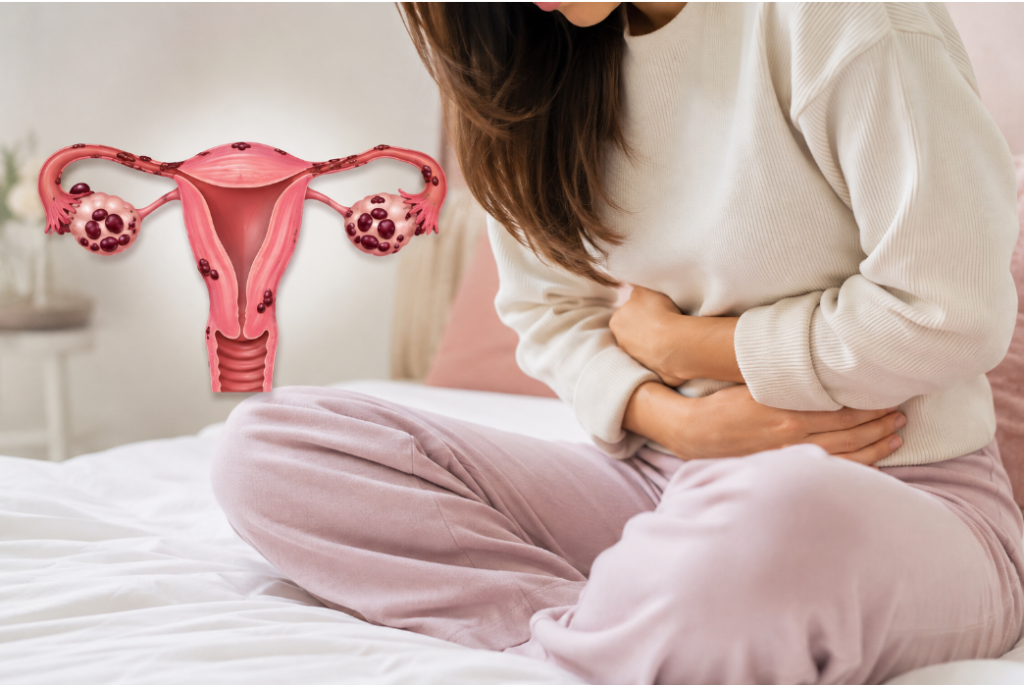
Endometriosis is a chronic gynaecological condition. Tissue similar to the lining of the uterus grows outside of it, and unlike the normal uterine lining, this displaced tissue is not shed during menstruation. It has nowhere to go. So it bleeds with the cycle, it causes inflammation, and given time it can produce scar tissue and adhesions in and around the pelvic organs.
Where Does the Tissue Grow?
Most often on the ovaries, on the outer surface of the uterus, on the fallopian tubes, and on the tissue lining the pelvis. Sometimes it extends to the bowel or the bladder. Rarely it goes beyond the pelvis altogether. How extensive the disease is, anywhere from small scattered lesions to the large ovarian cysts called endometriomas, will not reliably predict the severity of the symptoms. Minimal disease can come with debilitating pain. Widespread endometriosis can come with almost none.
Why Does It Take So Long to Diagnose?
Of everything about this condition, the diagnostic delay remains the most troubling. Research published via the ESHRE guideline estimates prevalence at between 2% and 10% of women of reproductive age generally, and up to 50% among women with infertility. Against that, the average time from first symptoms to confirmed diagnosis has historically run to many years across multiple countries. Several factors drive it:
- Painful periods in particular tend to get normalised. Patients do it, and sometimes clinicians do it too.
- No single blood test confirms the diagnosis.
- Surgical confirmation by laparoscopy was historically required, which set the bar for referral high.
- The symptoms overlap heavily with other conditions, irritable bowel syndrome and pelvic inflammatory disease among them.
A shift came with the 2022 ESHRE guideline, which moved toward a multimodal diagnostic approach combining symptom assessment with transvaginal ultrasound and MRI. Surgical confirmation is no longer the only valid pathway.
What Symptoms Does Endometriosis Cause?
Pain Symptoms
Pain is the most common presenting complaint. How it manifests varies a good deal from patient to patient:
- Dysmenorrhoea. Period pain severe enough to disrupt daily activity, and it often starts a day or two before the bleeding does
- Dyspareunia, meaning pain during or after intercourse. Typically deep rather than at the surface
- Chronic pelvic pain. Persistent lower abdominal pain, unrelated to the menstrual cycle
- Dysuria and dyschezia, which are pain on urination and on bowel movements, particularly around menstruation
Non-Pain Symptoms
- Bleeding that is irregular or heavy
- Fatigue out of all proportion to the blood loss
- Bloating, cyclical in particular, the thing patients call “endo belly”
- Difficulty conceiving. Endometriosis accounts for a significant proportion of the cases seen at fertility clinics.
How Is Endometriosis Treated?
No cure exists for endometriosis at present. Symptoms can be managed and fertility outcomes improved with the right approach. What that approach is depends on how severe the symptoms are, on the patient’s fertility goals, and on what has already been tried.
- Pain management. NSAIDs and analgesics, for immediate symptom relief
- Hormonal therapy. Combined oral contraceptives, progestins, or GnRH agonists, all of which suppress the hormonal cycle driving the growth of endometrial tissue
- Surgery. Laparoscopic excision or ablation of lesions, drainage of endometriomas, removal of adhesions. Usually considered where hormonal therapy has not worked, or where fertility is to be preserved or restored
- IVF, for women whose infertility is endometriosis-related, and particularly where the tubes or the ovarian reserve have been affected
What Does Long-Term Management Look Like?
This is a chronic condition, and it asks for ongoing care rather than a one-off intervention. Disease can recur after surgical treatment, which is why hormonal suppression is often recommended afterwards to extend the symptom-free intervals. Fertility outcomes after surgery tend to be better where the timing of conception attempts has been discussed with a specialist upfront, because repeated surgical interventions on the ovaries will reduce ovarian reserve over time.
Living well with endometriosis takes in pacing, dietary adjustment for some patients, and access to psychological support. The mental health impact of chronic pain and fertility uncertainty is well documented. It is still under-addressed in a great many clinical settings.
If persistent pelvic pain, painful periods, or difficulty conceiving have been part of your experience, our endometriosis specialists in Bangalore at Mannat Fertility can assess your situation and build a plan addressing both your symptoms and your fertility goals together. Book a consultation with our team to get started.
This article is for general educational purposes and is not a substitute for personalised medical advice from your fertility specialist or gynaecologist.



Leave a Reply