
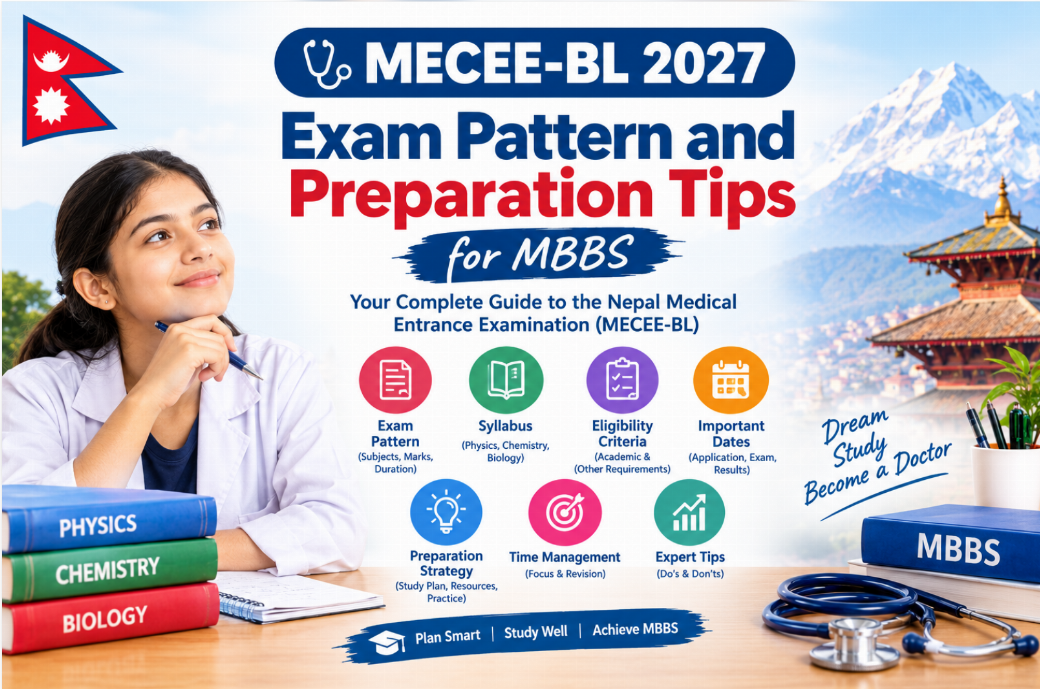
The Nepal Medical Education Commission in Nepal conducts the Medical Education Common Entrance Examination ( for the bachelor’s level (MECEE-BL) for the upcoming MBBS admission for the year 2027, the same as the other health science programs.
For the coming 2027 admission year, the official MBBS exam is scheduled for 31 October 2026; the time is set from 11:00 AM to 2:00 PM.
You might be wondering how to pass the CEE Exam and crack it. These MBBS entrance exam preparation tips in Nepal will help you solve it.
1. MECEE-BL 2027 MBBS exam pattern
The Exam pattern for MECEE has been defined as follows
MECEE-BL marking scheme
- Total Asked questions:200
- Total marks: 200
- Exam duration: 3 hours
| Subject | Questions | Marks |
|---|---|---|
| Physics | 50 | 50 |
| Chemistry | 50 | 50 |
| Zoology | 40 | 40 |
| Botany | 40 | 40 |
| Mental Agility Test (MAT) | 20 | 20 |
| Total | 200 | 200 |
- Correct answer: +1 mark.
- Incorrect answer: −0.25 mark.
- Unanswered question: no deduction. Just 0 Marks
- Question format: single-best-answer multiple-choice questions, with four options.
- Cognitive distribution: 50% recall, 30% understanding, and 20% application, according to the revised syllabus listing.
2. Which Subjects You Should Prioritize?
While preparing for this MECEE-BL 2027 MBBS entrance exam, you should properly review the CEE exam syllabus 2027 and stick to it. You should know which subjects and topics to prioritize. At the end of your preparation days, know these things. Here are some CEE tips for you to focus on while preparing for the exam
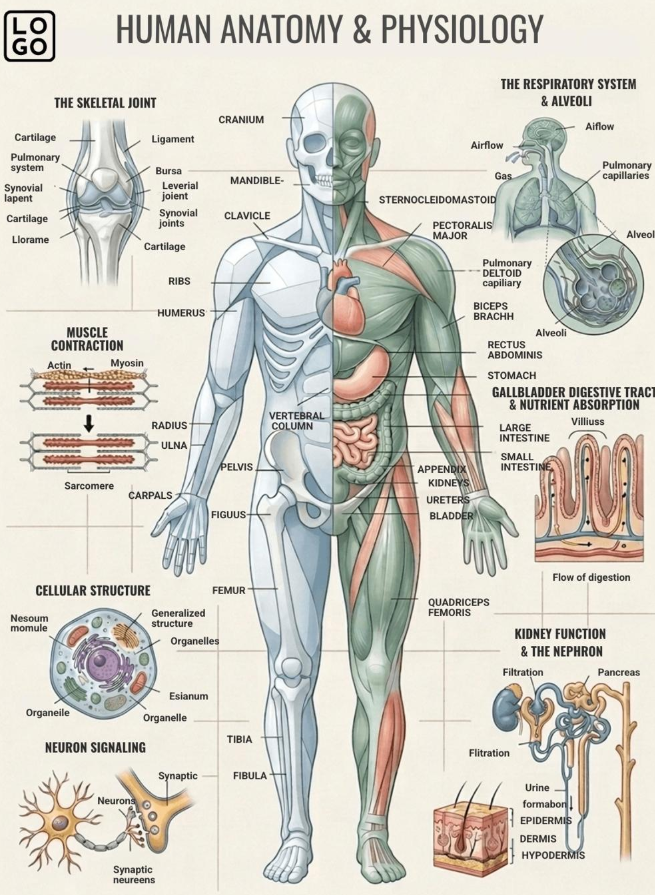
1. Biology — 80 marks (40%)
Biology is the base; it cover altogethere 4o percents. So you have to give particular attention to human physiology, genetics, biodiversity, cell biology, plant physiology, and animal classification. These are the common topics in it, and this Biology is a major scoring opportunity when concepts and textbook facts are revised regularly.
2. Chemistry — 50 marks (25%)
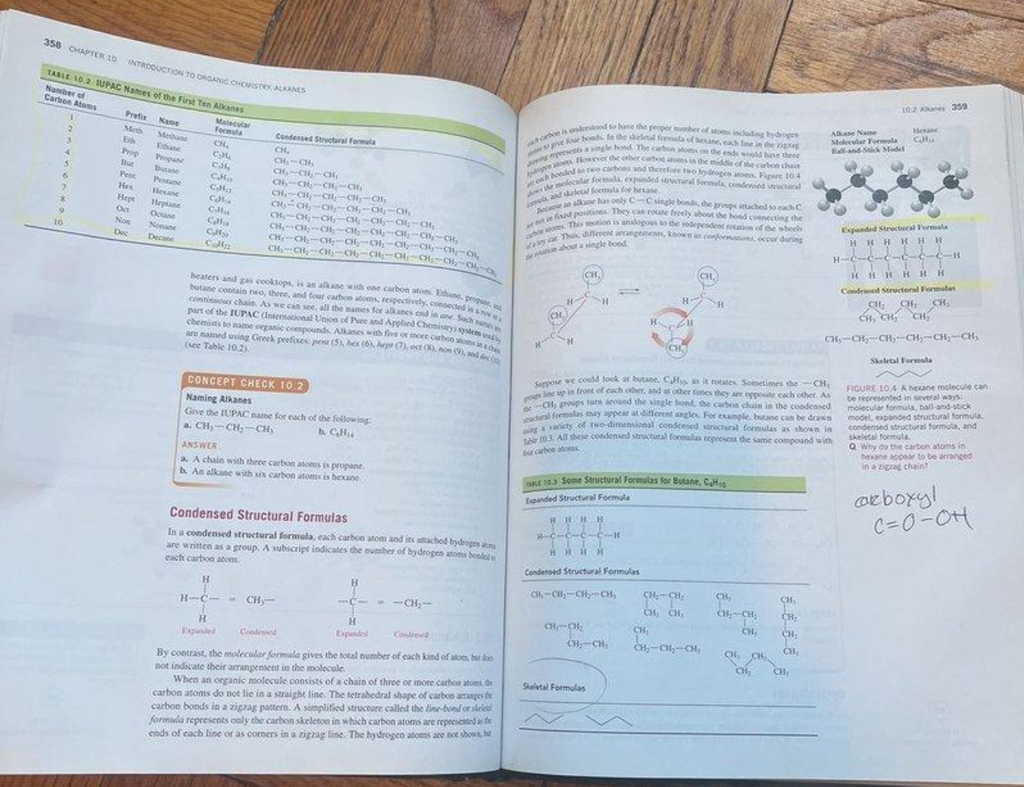
The second basic part to be covered is chemistry that cover about 25 percent . You have to prioritize physical chemistry numericals, organic reaction mechanisms and functional groups, chemical bonding, periodic properties, and other prescribed inorganic chemistry topics in this part. Try to focus and stick to these topics for the MCQ parts .
3. Physics — 50 marks (25%)
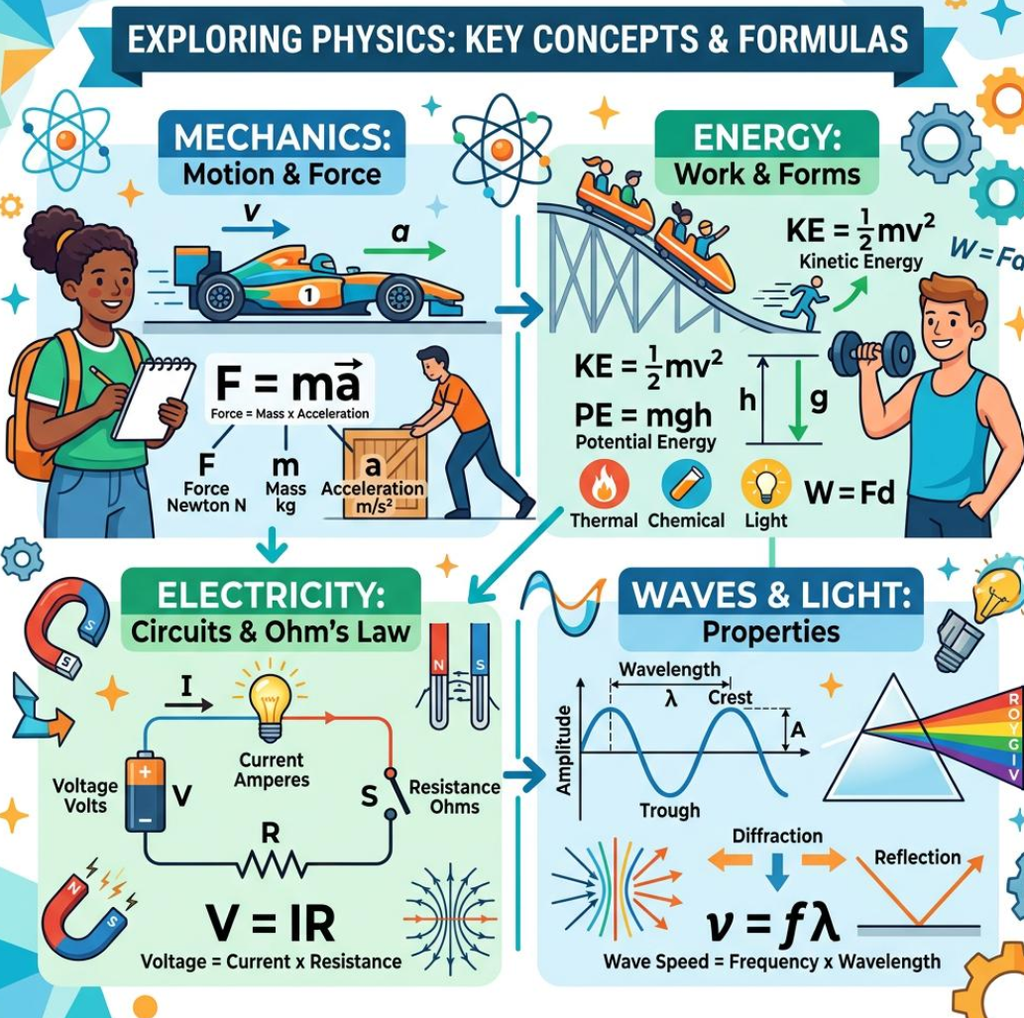
Another 25% coverage of questions is from Physics. It includes practice in mechanics, modern physics, electricity and magnetism, waves, optics, and thermodynamics mainly. You have to learn formulas and apply them to timed MCQ parts rather than only memorizing them.
4. Mental Agility Test — 20 marks (10%)
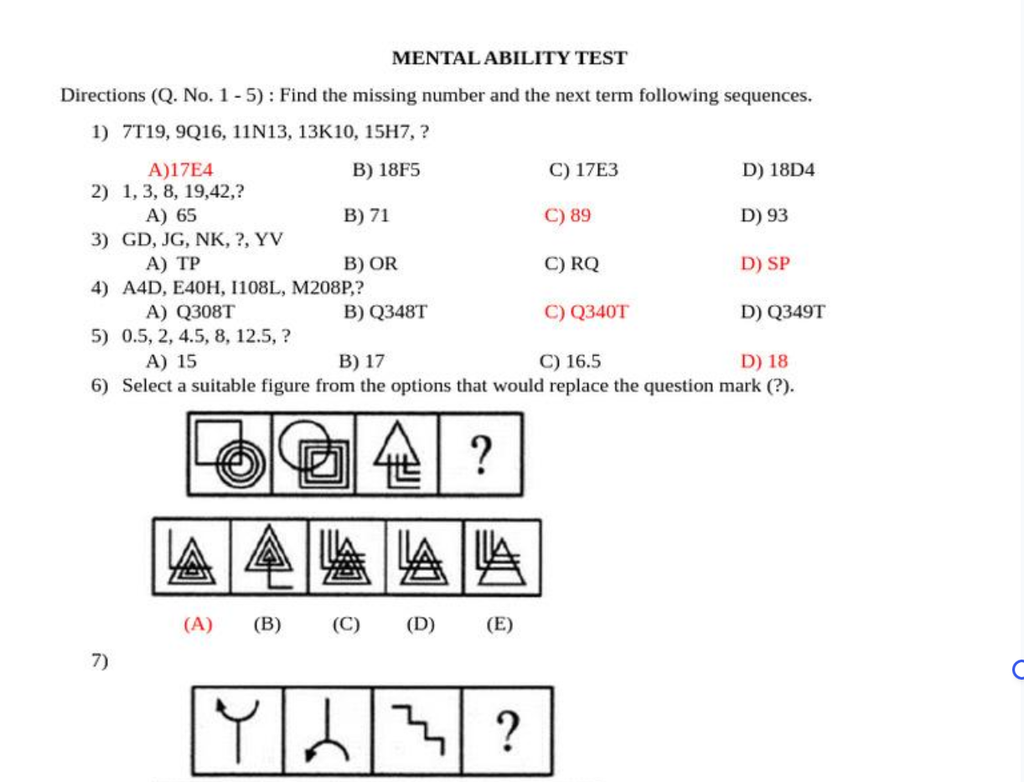
Mental ablity test has become one of the imporant part in CEE exam . Practise verbal reasoning, numerical reasoning, logical sequencing,g and spatial or abstract reasoning are the major points to be known and focused on. You can have short daily practice on it, which can improve speed and accuracy on this topic forthe CEE exam
3. MECEE-BL preparation tips
These are some of the tips you should follow for scoring well in the MCEE Entrance Exam for all entrance exam-pursuing candidates. These preparation tips will help you get the idea and score well.
Tip 1: Follow the official MEC syllabus
You can download the latest revised MEC syllabus. Use it as your base checklist and avoid spending lots of time on topics outside the prescribed syllabus. Always follow and stick to the updated MEC revised 2026 syllabus.s
Tip 2: Practise MCQs every day
Reading the textbooks alone is not always enough if you want to have a higher score. After you get through each chapter, try to solve topic-related MCQs and keep in mind that you should review and focus on every incorrect answer so that you will not make mistakes next time.
Based on the subject, you can practice the MCQs in different ways, such as:
- For Biology: practise conceptual and factual questions.
- For Chemistry: solve reaction-based questions and numerical problems.
- For Physics: Revise formulas always and solve calculation-based MCQs.
- For MAT: practise reasoning questions within the time limit.
Tip 3: Use the three-hour exam wisely
In total, you have only 180 minutes for 200 questions, which means that for each question you have to give an average of 54 seconds. Stay calm and try to manage and solve the questions within the time frame. Dont be panic . You can plan and execute your answering technique to finish in time. While preparing, you can have a mock test within the time bound
Here are some practical strategies you can follow:
- At first, always answer easy and familiar questions.
- Mark and leave the difficult questions for review.
- Avoid spending lots of minutes on one numerical problem.
- Return to unanswered questions if you have sufficient time remaining.
- Before submitting, check your answers carefully.
Tip 4: Minimize negative marking
As per the marking scheme, for each wrong answer, 0.25 marks will be deducted. So, keep in mind and always be accurate in your answers. If you are confused and you are not sure. don’t attempt the wrong answer.
For example, 160 correct answers, 20 incorrect answers,s and 20 unanswered questions give:
160-(20\times0.25)=155 , Your score will be 155 out of 200 although you score 160 with correct answer
So, always practise by eliminating incorrect options and try to learn to distinguish between a reasonable guess and a completely blind guess.
4. Final 8-day Revision plan
Since the MBBS examination is scheduled for 31 October 2026, you can use the remaining last days as the focused Adjust the plan according to your current strengths.
If you have already completed the study according to the syllabus, you can spend more time on mock tests and correcting mistakes. Revision and mock tests are good way of practicing rather than trying to study each and everything from scratch.
Here is a rigid plan which you can follow as the last-day revision plan for a week
| Day | Main task |
|---|---|
| Day 1 | Biology: human physiology, genetics and cell biology |
| Day 2 | Chemistry: organic chemistry and key reactions |
| Day 3 | Physics: mechanics, electricity and important formulas |
| Day 4 | Biology: biodiversity, classification and plant physiology |
| Day 5 | Chemistry: physical chemistry, inorganic chemistry and numericals |
| Day 6 | Modern Physics, optics, thermodynamics and MAT |
| Day 7 | One full-length mock test; analyse mistakes |
| Day 8 | Formula revision, Biology facts, weak topics,cs and rest |
5. Daily study timetable
Make the daily study timetable so that you can manage time for each part. When you are near the exam, you must study a minimum of 8 hours a day.
So, if you can study for around eight focused hours per day, here is a practical revision schedule that will be helpful for your preparation at the time of the exam. Revise every part with the following defined time hours
| Study session | Time |
|---|---|
| Biology revision and MCQs | 2 hours |
| Chemistry revision and MCQs | 2 hours |
| Physics revision and MCQs | 2 hours |
| MAT practice | 30 minutes |
| Mixed MCQ practice | 1 hour |
| Error review and formula revision | 30 minutes |
| Total | 8 hours |
Taking the short breaks between sessions can be done and also you have to maintain sufficient sleep, particularly during the final days.
Leave a Reply